- English
- Español
- Português
- русский
- Français
- 日本語
- Deutsch
- tiếng Việt
- Italiano
- Nederlands
- ภาษาไทย
- Polski
- 한국어
- Svenska
- magyar
- Malay
- বাংলা ভাষার
- Dansk
- Suomi
- हिन्दी
- Pilipino
- Türkçe
- Gaeilge
- العربية
- Indonesia
- Norsk
- تمل
- český
- ελληνικά
- український
- Javanese
- فارسی
- தமிழ்
- తెలుగు
- नेपाली
- Burmese
- български
- ລາວ
- Latine
- Қазақша
- Euskal
- Azərbaycan
- Slovenský jazyk
- Македонски
- Lietuvos
- Eesti Keel
- Română
- Slovenski
- मराठी
- Srpski језик

How to Install Boat Cleats?
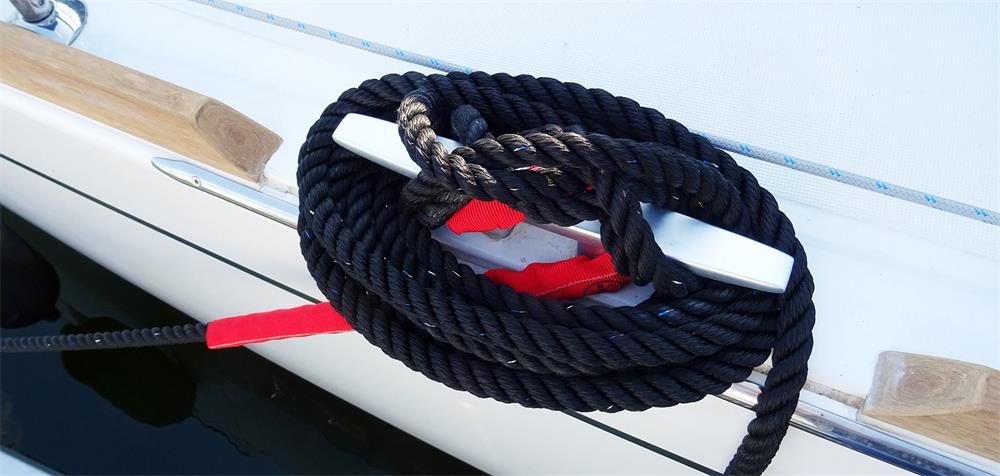
Whether you are just starting your nautical journey or are a seasoned sailor, we believe it is always beneficial to brush up on essential boating knowledge. Today, we steer the conversation to an often overlooked, but vital component of boating safety and functionality - boat cleats.
Why Are Boat Cleats Necessary?
Boat cleats serve as the anchoring point on your boat or dock, allowing you to secure lines for a variety of purposes including mooring, anchoring, or towing. Having the right cleat installed not only ensures the safety of your vessel but also prolongs the lifespan of your marine equipment.
How to install boat cleats?
A well-installed cleat can be the difference between a secured boat and a drifting vessel. Here are some steps to install cleats like a pro:
1. Select an Appropriate Location: Choose a spot that allows easy access while avoiding potential tripping hazards.
2. Mark the Holes: Once you have identified the right spot, mark the holes using a marker.
3. Drilling the Holes: Use a drill to make holes at the marked points, ensuring they are slightly larger than the bolts to be used.
4. Fixing the Cleat: Position the cleat over the holes and secure it using appropriate bolts, adding a washer and nut underneath.
5. Sealing the Deal: Apply a marine sealant around the bolts to prevent water from seeping in, thereby avoiding potential corrosion.
Using a cleat effectively is an art that mariners should master to ensure safety and efficiency. Here’s how you can do it:
1. Making a Cleat Hitch: Learn to tie a cleat hitch correctly. Start by making a loop around the base, followed by a figure-eight pattern around the horns, securing it with a hitch on the final turn.
2. Proper Line Handling: Ensure that the lines are not frayed or damaged, as this could compromise the safety of your boat.
3. Regular Inspection: Periodically inspect the cleats for signs of wear and tear, and replace them as necessary to maintain optimal functionality.
Whether you are just starting your nautical journey or are a seasoned sailor, we believe it is always beneficial to brush up on essential boating knowledge. Today, we steer the conversation to an often overlooked, but vital component of boating safety and functionality - boat cleats.
Why Are Boat Cleats Necessary?
Boat cleats serve as the anchoring point on your boat or dock, allowing you to secure lines for mooring, anchoring, or towing. Choosing reliable boat cleats ensures your vessel remains securely tied at the dock.
How to Install Boat Cleats?
A well-installed cleat can be the difference between a secured boat and a drifting vessel. Here are the basic steps to install cleats properly:
1. Select an Appropriate Location: Choose a spot that allows easy line access while avoiding tripping hazards.
2. Mark the Holes: Position the cleat and mark the hole locations with a marker.
3. Drilling the Holes: Use a drill to make holes at the marked points, sized appropriately for the mounting bolts.
4. Fixing the Cleat: Position the cleat over the holes and secure it using stainless steel bolts, with a backing plate and washers underneath the deck to distribute the load.
5. Sealing: Apply marine sealant around the bolt holes to prevent water penetration into the deck.
Using Cleats & Maintenance
1. Making a Cleat Hitch: Learn to tie a cleat hitch properly—take a wrap around the base, followed by a figure-eight around the horns, and finish with a half-hitch.
2. Proper Line Handling: Ensure dock lines are in good condition without fraying.
3. Regular Inspection: Periodically inspect cleats and mounting bolts for tightness and wear.
Marine Grade 316 Stainless Steel Boat Cleats
For marine mooring applications, Grade 316 stainless steel is widely used for its corrosion resistance and mechanical strength in saltwater environments. Choosing the appropriate cleat type and size helps ensure safe and convenient tie-downs on board.

316 Stainless Steel Cleats & Mooring Hardware
Andy Marine manufactures a variety of boat cleats, including flush pop-up cleats, hollow base cleats, and flat top cleats. Made from cast 316 stainless steel with a polished finish, they are designed for smooth rope handling and long-term marine use.
VIEW BOAT CLEATS & BOLLARDS →Custom Marine Hardware & OEM Manufacturing
Andy Marine supplies stainless steel marine hardware to boat builders, refit shipyards, and marine distributors.
We support OEM and ODM requirements with investment casting, CNC machining, surface polishing, and custom tooling based on drawings and technical specifications.
If you have inquiries about standard marine hardware or custom components, please contact our team for product catalogs and details.
Previous:What is a Bimini Top?