- English
- Español
- Português
- русский
- Français
- 日本語
- Deutsch
- tiếng Việt
- Italiano
- Nederlands
- ภาษาไทย
- Polski
- 한국어
- Svenska
- magyar
- Malay
- বাংলা ভাষার
- Dansk
- Suomi
- हिन्दी
- Pilipino
- Türkçe
- Gaeilge
- العربية
- Indonesia
- Norsk
- تمل
- český
- ελληνικά
- український
- Javanese
- فارسی
- தமிழ்
- తెలుగు
- नेपाली
- Burmese
- български
- ລາວ
- Latine
- Қазақша
- Euskal
- Azərbaycan
- Slovenský jazyk
- Македонски
- Lietuvos
- Eesti Keel
- Română
- Slovenski
- मराठी
- Srpski језик

How Does a Marine Anchor Work?
Abstract: Marine anchors are critical components for vessel safety, providing stability and preventing drift in various water conditions. This article explores the types of marine anchors, their functionality, selection tips, maintenance, and frequently asked questions, offering actionable insights for both professional mariners and boating enthusiasts. ANDY MARINE provides high-quality anchors designed for reliability and durability.
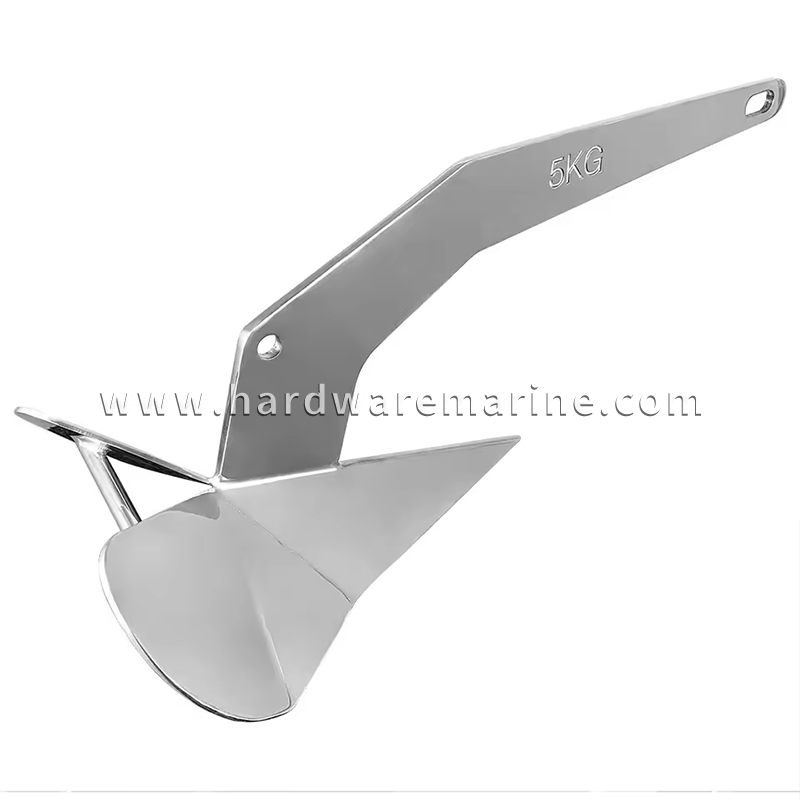
Table of Contents
- Types of Marine Anchors
- How Marine Anchors Work
- Selecting the Right Marine Anchor
- Installation and Maintenance
- Frequently Asked Questions
Types of Marine Anchors
Marine anchors come in various designs to meet different holding needs. Choosing the right type ensures maximum security and safety.
| Anchor Type | Description | Best Use Case |
|---|---|---|
| Fluke / Danforth | Lightweight, wide fluke design for sandy or muddy bottoms. | Small to medium recreational boats. |
| Plow / CQR | Plow-shaped anchor that digs into various seabeds. | Medium to large vessels, versatile for mixed conditions. |
| Claw / Bruce | Claw design with strong holding power on rocky or uneven surfaces. | Saltwater conditions and yachts. |
| Grapnel | Small, folding anchor with multiple hooks. | Kayaks, small boats, and temporary mooring. |
How Marine Anchors Work
The core function of a marine anchor is to create resistance against drifting by holding the vessel in place. This is achieved through two main mechanisms:
- Penetration: The anchor digs into the seabed, creating friction to resist movement.
- Weight and Shape: Certain anchors rely on mass and structural design to provide stability, even when penetration is minimal.
When deployed, the anchor chain or rope (rode) must be sufficiently long to maintain the correct angle of pull, maximizing the anchor’s holding power. Typically, a scope ratio of 5:1 (five times the water depth) is recommended.
Selecting the Right Marine Anchor
Choosing the correct anchor depends on vessel size, seabed type, and water conditions. Key considerations include:
- Vessel Weight: Larger boats require heavier anchors with higher holding capacity.
- Bottom Composition: Sand, mud, gravel, and rock all demand specific anchor designs.
- Weather and Currents: Anticipate strong winds or tides when selecting anchor type.
ANDY MARINE provides anchors tailored for each condition, ensuring optimal performance. For convenience, below is a quick guide:
| Vessel Size | Recommended Anchor Type | Notes |
|---|---|---|
| Up to 20 ft | Danforth / Lightweight Fluke | Easy to store, ideal for calm conditions. |
| 20–40 ft | Plow / CQR | Reliable in mixed seabeds. |
| 40–70 ft | Bruce / Claw | High holding power for larger yachts. |
| Specialty vessels | Custom Heavy-Duty | Designed for extreme weather or challenging seabeds. |
Installation and Maintenance
Proper installation and maintenance extend anchor lifespan and performance. Key steps include:
- Regular inspection for rust, corrosion, and wear.
- Check the integrity of anchor shackles and chain links.
- Proper storage to avoid deformation of flukes or shanks.
- Ensure the anchor rode is free of tangles and properly secured.
Deploying the anchor correctly involves setting it gradually and verifying it holds firmly before leaving the vessel unattended. ANDY MARINE anchors are engineered for easy handling and long-term reliability.
Frequently Asked Questions
Q1: How deep should I drop my anchor?
A: A scope ratio of 5:1 (rode length to water depth) is recommended for secure holding.
Q2: Can I use the same anchor in different seabeds?
A: Some anchors are versatile, like plow anchors, but others like Danforth work best in specific conditions.
Q3: How do I prevent my anchor from dragging?
A: Ensure proper setting angle, sufficient rode length, and periodic checks in changing currents or wind.
Q4: How often should I maintain my anchor?
A: Inspect before each season and after exposure to saltwater for prolonged periods.
Conclusion
Understanding how a marine anchor works and selecting the right type is crucial for vessel safety. ANDY MARINE offers a range of high-quality anchors designed for maximum holding power and durability. Proper maintenance and deployment techniques will ensure your anchor performs reliably under various conditions.
For expert guidance or to explore our complete marine anchor collection, contact us today and secure your vessel with confidence.